
 Mar 6, 2026
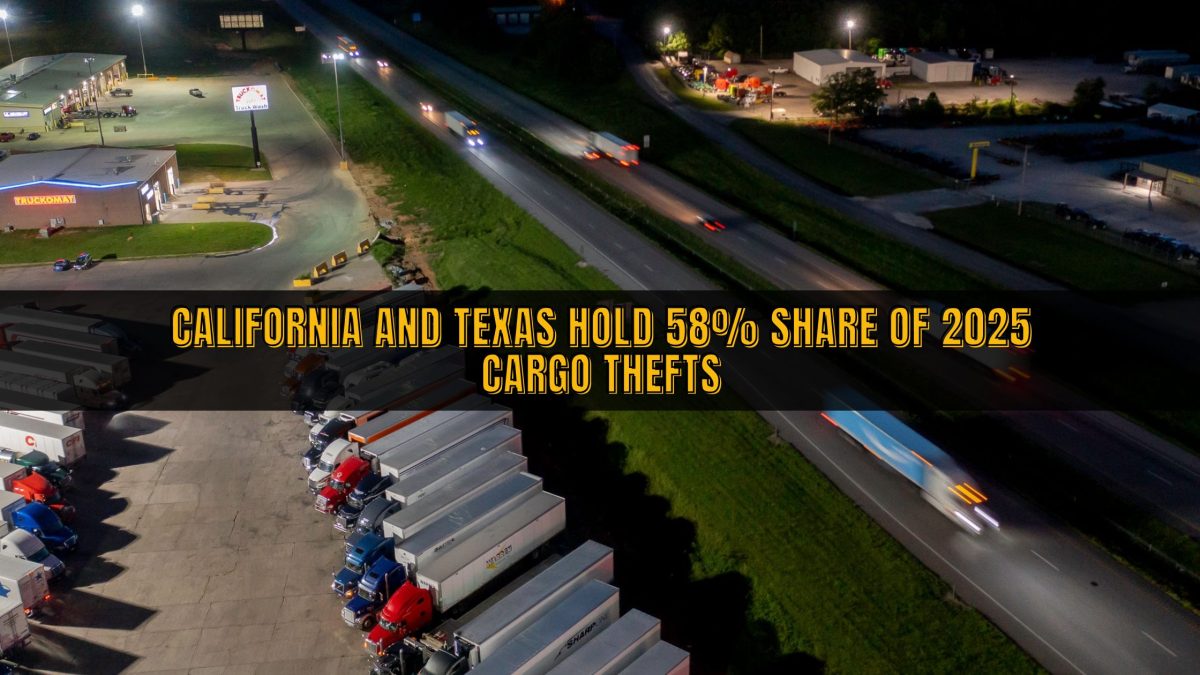
California And Texas Hold 58% Share Of 2025 Cargo Thefts
Did you know that California and Texas together account for a staggering 58% of all cargo thefts projected for 2025? This eye-opening statistic highlights a growing concern for businesses and law enforcement alike as these states grapple with the increasing prevalence of cargo thefts. Understanding the methods and motivations behind these incidents is crucial for shippers and logistics companies aiming to protect their assets. In this article, we will explore the factors contributing to this alarming trend and provide actionable insights to minimize risk and enhance security.
Cargo Theft in the United States and Canada: Why Freight Crime Is Rising in 2025 and What the Logistics Industry Must Know
Cargo theft is rapidly becoming one of the most serious threats facing the North American supply chain. Recent industry data shows that freight crime has intensified across major logistics corridors, affecting trucking companies, shippers, brokers, and warehouse operators.
In 2025, the United States recorded a significant rise in cargo theft incidents, with criminal groups increasingly targeting high-value freight shipments moving through major distribution hubs. The growing sophistication of these theft operations has made it more difficult for logistics providers to detect and prevent losses.
Understanding where cargo theft is occurring, which goods are most vulnerable, and how criminals operate is essential for transportation companies trying to protect freight, maintain customer trust, and avoid costly disruptions. As supply chains continue to evolve, freight security is becoming just as important as operational efficiency.
California and Texas Dominate U.S. Cargo Theft Incidents
Two states stand out as the epicenter of cargo theft in the United States: California and Texas. Together, they were responsible for more than half of all recorded freight theft incidents nationwide in 2025.
California alone accounted for 38 percent of all cargo theft cases during the year. This marked a noticeable increase compared with the previous year, when the state represented 32 percent of total incidents.
Texas followed as the second-largest hotspot, responsible for approximately 20 percent of reported thefts. When combined, the two states represented 58 percent of all documented cargo theft activity in the country.
These numbers reflect the immense freight volumes that move through both states every day. California serves as the primary gateway for imports entering the United States through Pacific ports, while Texas functions as a major logistics hub for domestic distribution and cross-border trade.
Why Major Freight Corridors Are Prime Targets
Cargo theft tends to cluster in areas where freight volume is high and logistics activity is constant. Major metropolitan freight corridors naturally attract organized criminal groups because large quantities of goods are frequently staged, transferred, and transported.
Several cities have emerged as key hotspots for cargo theft operations. Los Angeles and San Bernardino in California remain among the most targeted areas due to their proximity to major seaports and massive warehouse networks.
In Texas, Dallas and Houston serve as major distribution hubs for freight moving across the country. These cities contain dense clusters of warehouses, trucking terminals, and intermodal facilities that create numerous opportunities for cargo criminals.
Because freight often sits temporarily at staging yards, truck stops, or warehouses, these locations can become vulnerable points within the supply chain. Criminal organizations closely monitor freight movements and strike when security gaps appear.
Other States Facing Rising Cargo Theft Activity
While California and Texas dominate cargo theft statistics, several other states are also experiencing significant freight crime challenges. Tennessee ranked third in the nation for cargo theft incidents in 2025.
However, Tennessee’s share of total incidents dropped slightly to 11 percent during the year. This change suggests that cargo theft is becoming more geographically dispersed rather than concentrated in a few specific areas.
Illinois and Pennsylvania each accounted for approximately 7 percent of reported cargo theft incidents. Georgia followed with roughly 4 percent of the total.
Additional states including Maryland, Kentucky, and New Jersey each represented about 2 percent of the national cargo theft volume. Even though these numbers appear smaller, they highlight the nationwide reach of freight crime.
Cargo Theft Incidents Increased Significantly in 2025
The overall number of cargo theft incidents in the United States rose sharply during 2025. Industry data shows a 16 percent increase compared with 2024, signaling that freight crime continues to escalate.
Every quarter of the year experienced higher theft activity than the same period in the previous year. This steady growth indicates that cargo theft is not simply seasonal but part of a broader trend.
The fourth quarter proved to be the most active period for cargo theft. Approximately 30 percent of all incidents recorded in 2025 occurred during the final three months of the year.
This increase aligns with the holiday shipping season, when freight volumes surge due to retail demand. Criminal organizations often take advantage of the higher shipment volumes and faster transportation schedules.
Daily Cargo Theft Trends in the United States
When analyzed on a daily basis, cargo theft statistics reveal how frequently freight crimes occur across the country. In 2025, the United States averaged approximately 7.16 cargo theft incidents per day.
This represents a notable increase compared with 2024, when the average stood at 6.07 incidents per day. The upward trend suggests that organized cargo theft groups are becoming more active and more organized.
Industry analysts believe this trend may continue into the coming years. Projections indicate that cargo theft incidents could rise by at least 13 percent in 2026.
If that prediction proves accurate, annual incidents could approach nearly 3,000 cargo theft cases nationwide. Such numbers would represent one of the highest recorded levels of freight crime in recent years.
Electronics Remain the Most Targeted Cargo
Certain types of freight attract more attention from cargo thieves due to their high resale value and portability. Electronics consistently rank as the most commonly stolen goods.
In 2025, electronics accounted for approximately 22 percent of all cargo theft incidents. Items such as smartphones, computer hardware, and consumer electronics are particularly attractive to criminal networks.
Food and beverage shipments were the second most targeted category, representing about 15 percent of thefts. These products can be easily resold through informal markets or unauthorized distribution channels.
Home and garden products ranked third, accounting for around 11 percent of cargo theft incidents. The wide consumer demand for these products makes them easy to sell quickly.
Criminal Tactics Are Becoming More Sophisticated
Cargo theft tactics have evolved significantly in recent years. While traditional methods like pilferage still occur, criminals are increasingly adopting more complex strategies.
Pilferage remains the most common method of cargo theft, accounting for about 43 percent of incidents. This involves stealing small quantities of freight directly from trucks, trailers, or warehouse facilities.
However, a newer tactic known as deceptive pickup is gaining traction among organized crime groups. In these schemes, criminals impersonate legitimate carriers or brokers to gain control of freight shipments.
Deceptive pickup incidents increased by 35 percent year over year in 2025. Although they represent about 10 percent of total thefts, these schemes often result in large losses because entire truckloads are stolen.
Warehouses and Truck Stops Are Key Vulnerable Locations
Cargo theft does not occur exclusively while trucks are in motion. In fact, many incidents occur when freight is temporarily stored or staged along the supply chain.
Warehouses and distribution centers accounted for approximately 36 percent of cargo theft incidents in 2025. These facilities often handle massive volumes of freight, making them attractive targets for organized theft groups.
Truck stops and fueling stations represented the second most common location for cargo theft. About 17 percent of incidents occurred in these areas where trucks frequently park overnight.
Because drivers must rest according to federal hours-of-service regulations, trucks often remain stationary for extended periods. Criminals exploit these predictable stops to target unattended vehicles.
Cargo Theft Trends in Canada Are Also Increasing
Cargo theft is not limited to the United States. Canada is also experiencing a growing problem with freight crime, particularly in major logistics regions.
Although cargo theft reporting in Canada is less comprehensive than in the United States, recent data shows clear signs of increasing criminal activity. Organized theft groups appear to be expanding their operations across multiple provinces.
Industry experts warn that as supply chains become more integrated across North America, cargo theft networks may increasingly operate across international borders. This could create additional challenges for law enforcement and logistics providers.
The need for stronger cargo security measures is becoming more evident as freight networks grow more complex.
The Greater Toronto Area Leads Cargo Theft in Canada
Ontario dominates cargo theft statistics in Canada, accounting for roughly 65 percent of recorded incidents. Most of these thefts occur in the Greater Toronto Area, which serves as the country’s primary logistics hub.
Toronto’s massive distribution infrastructure includes large warehouse districts, trucking terminals, and retail fulfillment centers. The concentration of freight activity makes the region an attractive target for organized cargo criminals.
However, Ontario’s share of total cargo theft incidents has decreased slightly compared with previous years. This suggests that freight crime is spreading to other provinces.
The shift indicates that criminal groups may be expanding their operations beyond traditional hotspots.
Cargo Theft Is Expanding to Western Canada
British Columbia experienced one of the largest increases in cargo theft incidents during 2025. The province’s share of total theft cases rose from 5 percent to approximately 15 percent.
The growth in freight crime may be linked to increasing trade through West Coast ports and growing logistics activity in the region. As shipping volumes rise, the number of potential targets also increases.
This expansion shows that cargo theft is becoming a broader national issue rather than a localized problem. Supply chain operators across Canada must now pay closer attention to freight security.
As the logistics industry continues to expand, criminals are likely to follow freight flows to new regions.
Full Truckload Theft Dominates Canadian Cargo Crime
Unlike the United States, where pilferage is more common, Canada experiences a higher proportion of full truckload theft incidents. Approximately 61 percent of reported cargo thefts involve entire truckloads.
These thefts often occur when criminals gain access to trucks, trailers, or warehouse yards containing valuable freight. Once a full load is stolen, the cargo can be quickly moved to another location for resale or redistribution.
Another growing problem is last-mile courier theft, which now represents about 22 percent of incidents in Canada. The rise of e-commerce and home delivery services has created new vulnerabilities within final-mile logistics networks.
These trends highlight the need for stronger security protocols throughout the entire supply chain.
When Cargo Theft Is Most Likely to Occur
Cargo theft incidents often follow predictable patterns that criminals exploit. Many thefts occur during standard workdays rather than weekends.
Monday and Friday are particularly high-risk days for cargo theft. These days typically involve heavy freight movement as shipments begin or end weekly transportation cycles.
The majority of theft incidents occur overnight or in the early morning hours. During these times, warehouses and trucking facilities may have fewer personnel on site.
These patterns suggest that improving overnight security measures could significantly reduce cargo theft risk.
Conclusion: Protecting Freight in an Era of Rising Cargo Theft
Cargo theft is becoming an increasingly serious challenge for the North American logistics industry. With incidents rising across the United States and Canada, companies must take proactive steps to safeguard their shipments.
Improved cargo tracking technologies, enhanced warehouse security, and stronger verification processes for carriers and brokers can all help reduce the risk of freight crime. Collaboration between shippers, carriers, and law enforcement agencies is also essential.
As freight volumes continue to grow and supply chains become more complex, cargo security will remain a top priority. Companies that invest in strong security practices today will be better positioned to protect their assets and maintain customer trust in the future.
Stay Informed and Stay Compliant in the Trucking Industry
As cargo theft incidents continue to rise across major freight corridors in the United States and Canada, maintaining strong operational discipline and regulatory compliance has never been more important for truck drivers and motor carriers. Staying informed about industry trends, safety practices, and compliance requirements helps protect both your cargo and your business.
If you want to stay updated with the latest trends, insights, and developments shaping the trucking, freight, and logistics industry, be sure to stay connected with us. We regularly share valuable information designed to help drivers, fleet owners, and logistics professionals navigate today’s rapidly evolving transportation landscape.
If you are looking for guidance on DOT drug and alcohol testing requirements, random testing compliance, or FMCSA Clearinghouse registration, visit Labworks USA. Our DOT Consortium team is ready to assist you, answer your questions, and ensure you remain fully compliant with federal regulations while operating safely and professionally in the trucking industry.