 Aug 11, 2026
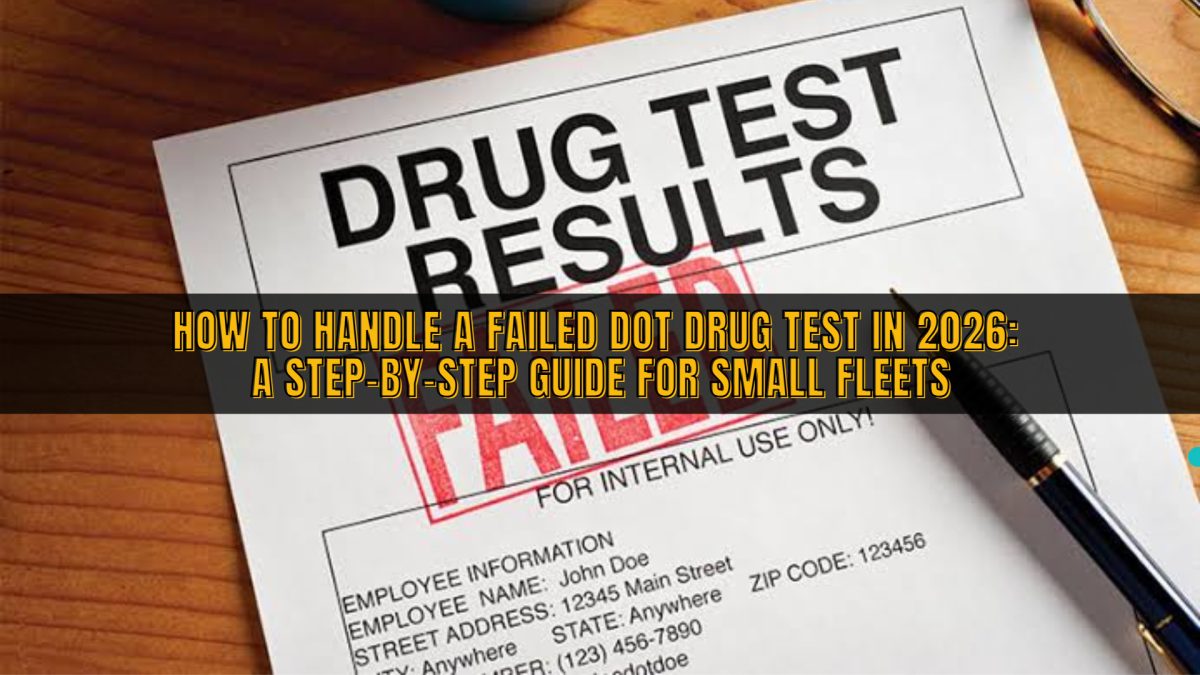
How to Handle a Failed DOT Drug Test in 2026: A Step-by-Step Guide for Small Fleets
Navigating Department of Transportation (DOT) drug and alcohol testing regulations can feel like an overwhelming task, especially for independent owner-operators and small fleet managers who do not have a dedicated human resources department. When an unexpected positive result or test refusal occurs, the regulatory road ahead can seem daunting and confusing. Understanding the exact protocol required in 2026 is critical to protecting your business, ensuring public safety, and keeping your commercial motor vehicles compliant. At Labworks USA, we specialize in helping carriers untangle these complex administrative burdens so you can focus on driving and growing your business.
What Happens If a Driver Fails a DOT Drug Test?
When a commercial driver receives a verified positive DOT drug test result, an alcohol concentration of 0.04 or higher, or refuses to test, immediate regulatory consequences take effect. Under federal motor carrier safety regulations, the driver must be immediately removed from all safety-sensitive functions, including driving a commercial motor vehicle. The employer is legally prohibited from allowing this driver to perform any safety-sensitive duties until the entire regulatory remediation process is successfully concluded. Failing to remove the driver promptly can lead to severe federal civil penalties that threaten the financial stability of a small fleet.
Quick Tip: Always maintain an active communication channel with your Consortium Third-Party Administrator so you receive instant notifications regarding test outcomes. Prompt awareness allows you to take immediate administrative action before regulatory timelines become compromised. Ensuring transparent communication across your operation minimizes confusion and protects your safety rating.
This immediate suspension transitions the driver into a "prohibited" status within the federal tracking system. During this prohibited phase, the driver cannot legally operate commercial trucks for your company or any other DOT-regulated motor carrier in the United States. The carrier is then tasked with providing the driver with a list of qualified Substance Abuse Professionals to begin the mandatory remediation pathway. Managing these critical initial steps correctly sets the stage for a lawful and structured return to work.
The Return-to-Duty Process Explained
The return-to-duty process is a strict, multi-step federal framework designed to ensure that drivers address substance misuse issues thoroughly before returning behind the wheel. The journey begins with the driver completing an initial, face-to-face evaluation with a DOT-qualified Substance Abuse Professional. This SAP assesses the driver's situation and prescribes a personalized education or treatment program that the driver must complete in full. Throughout this treatment phase, the driver remains in prohibited status, and the SAP reports all milestone completions directly into the federal database.
Once the prescribed treatment or education is finished, the driver must attend a follow-up evaluation with the same SAP to verify successful compliance. If the SAP determines that the driver has successfully met all clinical requirements, an official report is issued stating that the driver is eligible for return-to-duty testing. The employer can then schedule a mandatory return-to-duty drug and/or alcohol test, which must be conducted under direct observation by a certified collector. A verified negative result on this directly observed test is required before the driver can legally resume safety-sensitive duties.
In addition to the initial return-to-duty test, the SAP establishes a mandatory follow-up testing plan that lasts between one and five years. This follow-up plan requires a minimum of six unannounced tests during the first twelve months of resumed driving, occurring alongside your standard random testing pool. Partnering with an experienced administrator like Labworks USA ensures that all follow-up testing timelines are meticulously tracked and executed without missing a beat. This structured oversight protects your fleet from costly oversight errors and reinforces your commitment to highway safety.

Navigating the FMCSA Clearinghouse and Reporting Deadlines
The FMCSA Drug and Alcohol Clearinghouse serves as the central electronic repository tracking all commercial driver drug and alcohol violations and remediation progress. In 2026, regulatory enforcement regarding timely reporting and mandatory queries has reached unprecedented levels of strictness. Employers must report verified violations, negative return-to-duty test results, and follow-up plan completions into the Clearinghouse within strict regulatory deadlines. Failing to report these events accurately or neglecting to run required pre-employment and annual queries can trigger federal fines of nearly $19,000 per violation.
Managing Clearinghouse queries and reporting obligations requires constant vigilance and a clear understanding of electronic consent procedures. Small fleet owners often struggle to keep up with these administrative duties while simultaneously managing dispatch, maintenance, and customer service. That is why outsourcing your Clearinghouse management to Labworks USA is the most practical and reliable solution for independent operators. Our team handles registration assistance, query execution, and timely violation reporting so your fleet remains fully compliant and audit-ready at all times.
Drivers also carry specific responsibilities within the Clearinghouse ecosystem to ensure their records reflect accurate status updates. A driver must maintain an active Clearinghouse account, provide electronic consent for queries, and designate their chosen SAP so remediation progress can be properly recorded. If a driver fails to designate their SAP or ignores account notifications, their return-to-duty timeline can be significantly delayed. Educating your drivers on their Clearinghouse obligations creates a collaborative safety culture that benefits everyone involved in your operations.

How Small Fleets Can Simplify Compliance and Avoid Penalties
Operating a small fleet or working as an owner-operator means wearing multiple hats every single day of the week. Trying to master complex federal drug and alcohol testing mandates while keeping your trucks moving on profitable loads is a recipe for burnout. The most efficient way to handle these regulatory hurdles is to partner with a trusted consortium third-party administrator who handles all compliance details on your behalf. By delegating random pool management, MRO reviews, and Clearinghouse oversight to professionals, you eliminate the guesswork and administrative burden.
Our comprehensive DOT Drug and Alcohol Testing Consortium Annual Membership at Labworks USA is designed specifically for small fleets and owner-operators across America. For just a fraction of the cost of internal administrative errors, you gain immediate enrollment certification, online account portal access, and expert guidance. We maintain a vast network of over 20,000 collection sites nationwide, ensuring your drivers are never far from a convenient and professional testing location. When unexpected compliance challenges arise, our dedicated support team stands ready to guide you through every single step.
The peace of mind that comes with professional compliance administration allows you to focus entirely on driving, customer satisfaction, and fleet growth. Instead of worrying about changing federal deadlines or complex Clearinghouse reporting windows, you can rely on our proven expertise and robust digital infrastructure. Protecting your operating authority and commercial driver's license has never been more straightforward or accessible. Take control of your compliance strategy today by securing your annual membership and letting our experienced team handle the heavy lifting.
In Conclusion
Navigating a failed DOT drug test and completing the return-to-duty process requires absolute diligence, adherence to strict federal timelines, and precise Clearinghouse management. For small fleets and owner-operators without an HR department, attempting to handle these complex requirements independently introduces severe financial and legal risks. Maintaining constant awareness of your regulatory obligations ensures that your business remains protected and your drivers stay safely on the road. The thing is, proactive compliance is always far more affordable and less stressful than dealing with federal penalties or audit failures.
That is why partnering with an industry leader like Labworks USA represents the most practical and convenient path forward for your trucking business. We invite you to explore our flexible membership options and pricing by visiting our Our Rates page. Ready to secure your compliance status right away? You can easily join our consortium by visiting our Company Signup page. For comprehensive oversight of federal records, check out our dedicated Clearinghouse Management services to see how we protect your fleet every mile of the way. Visit our main website at Labworks USA to learn more about how we support American truckers.
Curated Industry Keywords & Search Terms:
- Return to duty process
- What happens if a driver fails a DOT drug test?
- DOT pre employment drug test
- FMCSA Drug and Alcohol Clearinghouse management
- Substance Abuse Professional (SAP) referral
- DOT drug testing consortium membership
- Directly observed return to duty test
- CDL violation compliance administration