
 Aug 26, 2024
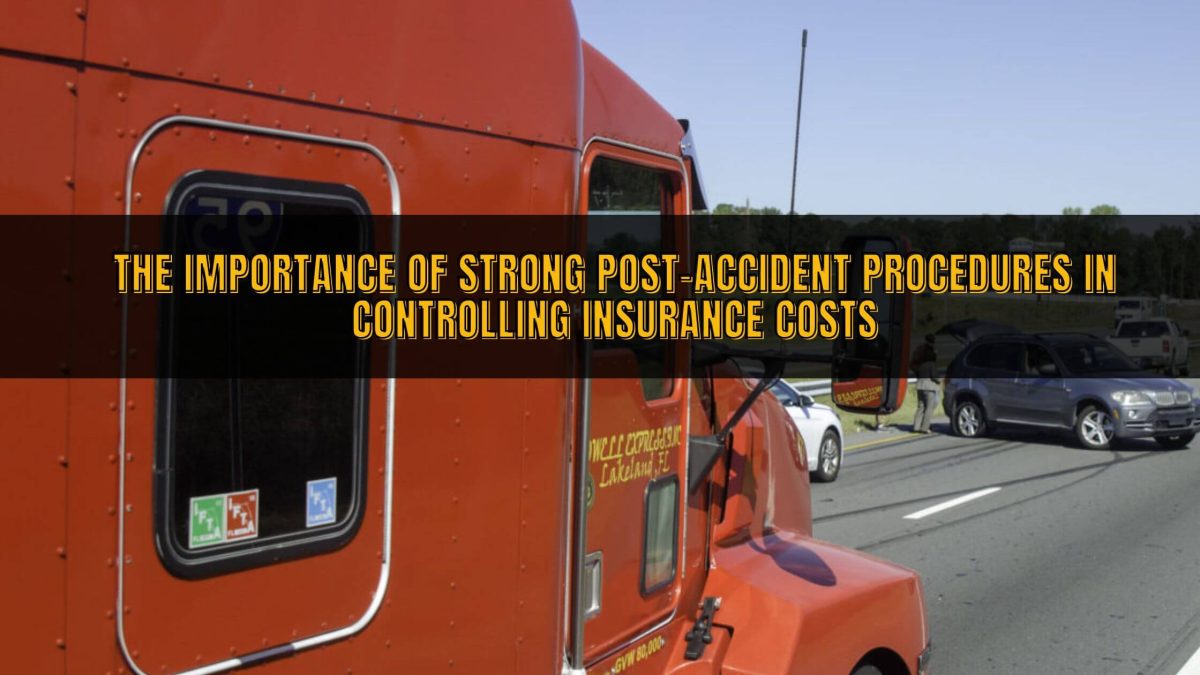
The Importance of Strong Post-Accident Procedures in Controlling Insurance Costs
In the realm of risk management, the implementation of robust post-accident procedures is essential not only for safeguarding employee well-being but also for controlling insurance costs. Accidents in the workplace can lead to significant financial implications, affecting both immediate expenses and long-term insurance premiums.
Organizations that prioritize comprehensive post-accident protocols demonstrate a commitment to transparency and accountability, which can ultimately mitigate the financial fallout associated with incidents. Effective procedures, including thorough accident investigations, timely reporting, and proactive communication with insurers, serve as critical components in managing claims and enhancing safety culture.
By systematically addressing the aftermath of accidents, businesses can identify root causes, prevent future occurrences, and foster a proactive approach to risk management.
This article explores the multifaceted benefits of strong post-accident procedures, highlighting their role in reducing direct costs and enhancing overall operational efficiency.
As companies navigate the complexities of insurance and risk, understanding the importance of these procedures becomes paramount for sustaining financial health and promoting a safe work environment. In a landscape where every dollar counts, investing in effective post-accident strategies is not merely a regulatory obligation but a strategic initiative that can yield significant dividends.
Knowing the right steps in advance can mitigate rate increases
Motor carriers face three primary expenses related to their vehicles: acquisition and maintenance, fuel, and insurance. All three are essential to the operation of a carrier. Unfortunately, freight rates have not kept pace with rising costs, particularly in the realm of insurance, which has seen a staggering increase of over 50% over the past ten years.
The American Transportation Research Institute’s Operational Cost of Trucking report indicates that in 2022, the last year for which data is available, truck insurance premiums rose by 2.3% compared to 2021. This uptick translates to an additional cost of at least 81 cents per mile, with certain regions, such as the Southeast, facing increases as high as 96 cents per mile.
However, motor carriers can take proactive steps to reduce the perceived risk that insurance providers assess.
“Insurance companies evaluate multiple factors when underwriting risk,” explains Andrew Haun, senior vice president of sales at Reliance Partners. “One critical aspect is the loss ratio, which reflects the percentage of indemnity paid out relative to the premiums received.”
For carriers, implementing robust and reliable post-accident procedures is vital for mitigating the risks viewed by insurers, according to Haun. This includes establishing clear protocols for immediate reporting and gathering information from the accident scene. Training drivers on these procedures is essential for long-term success.
“For instance, if a motor carrier appears to disregard timely reporting of claims or losses, it signals to the insurer that they may not be a dependable partner, thereby increasing their perceived risk,” Haun notes. “When a carrier is viewed as higher risk, they face increased premium costs.”
Delay in Reporting Incidents
It is advisable for carriers not to delay in reporting incidents, even if the police report has yet to designate fault. Familiarity with the claims reporting protocols of their insurance providers is an essential component of their post-accident strategy to ensure all pertinent information is captured.
The primary objective in any claim scenario is to minimize losses. While every claim is unique and circumstances vary, settling claims before litigation can significantly benefit both the motor carrier and the insurer.
A study by one Law Firm reveals that the average settlement for truck accidents is approximately $73,109, which encompasses cases involving tractor-trailers and other heavy vehicles. This figure rises to an average of $80,211 specifically for incidents involving tractor-trailers.
Striking a balance between fostering a robust safety culture—where accident preparedness is instinctive—and managing insurance costs is a complex task.
“I commend motor carriers for their ability to juggle multiple responsibilities daily,” Haun remarks. “Establishing effective post-accident procedures must be a top priority. Many carriers hesitate to report minor claims to their insurers, fearing it may adversely affect their future insurance costs.”
Why Consult Insurance Providers
Insurance providers seek evidence that motor carriers are committed to adhering to their own policies and procedures, which helps to mitigate overall risk and potential claim payouts. It is crucial for carriers to substantiate their policies with data, coaching events, and documentation to demonstrate their dedication to enhancing safety.
Ultimately, “A high frequency of losses and an elevated loss ratio can certainly lead to increased costs. Delays in reporting, lack of cooperation with the insurer’s legal counsel, or incomplete fact reporting can escalate a standard claim into a significant financial loss. For carriers considering whether to absorb small losses rather than report them, I advise discussions with their agent about opting for higher deductibles,” Haun concludes.
In Conclusion
Implementing robust post-accident procedures is essential for organizations seeking to effectively manage and control insurance costs. By establishing clear protocols for accident reporting, thorough investigations, and timely communication with insurance providers, companies can not only mitigate potential losses but also foster a culture of safety and accountability. Proactive measures, such as employee training and risk assessment, further contribute to reducing the frequency and severity of incidents, ultimately leading to lower premiums and improved financial stability. As the landscape of risk management continues to evolve, prioritizing strong post-accident strategies will be key in safeguarding both employees and the organization's bottom line.
If you want to stay updated with a wide range of trends, actionable insights, and innovative solutions in the trucking, freight, and logistics industry, stay connected to us.
Moreover, If you are looking for more information about drug and alcohol testing as a truck driver, visit LabWorks USA.
Our DOT Consortium's friendly team will be more than happy to discuss any concerns you may have and work with you to ensure you are always fully compliant, especially with random DOT drug and alcohol testing. Moreover, if you need help with FMCSA Clearinghouse registration, we can further support you.