 Sep 2, 2024
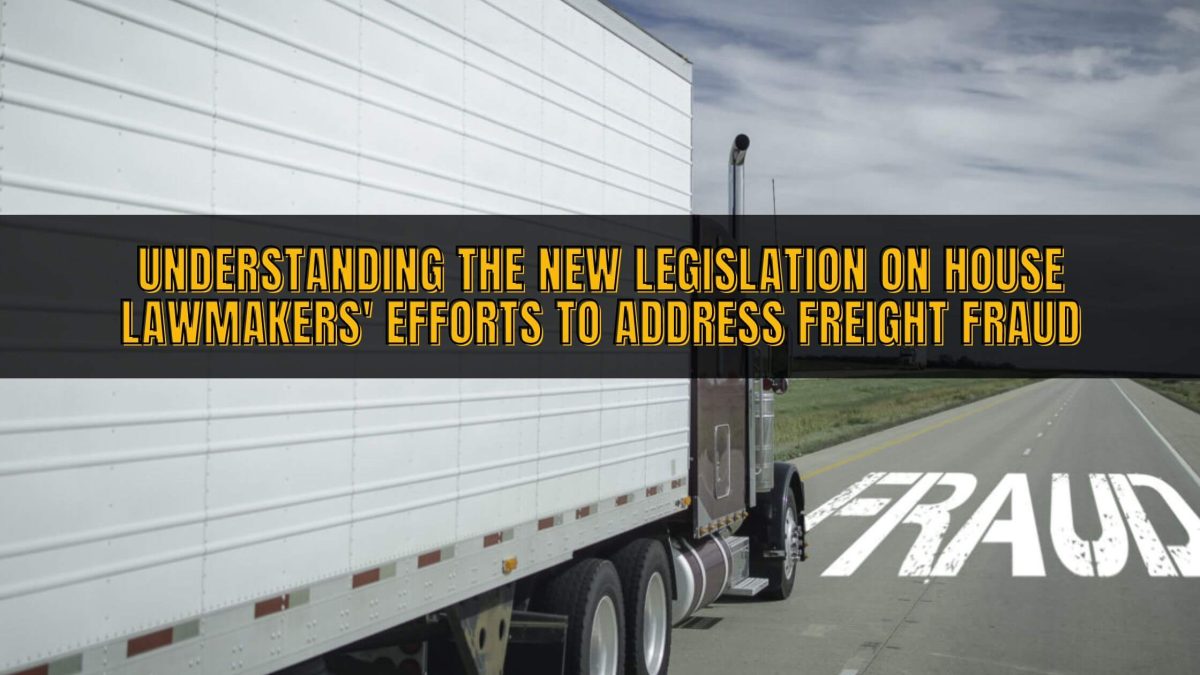
Understanding the New Legislation on House Lawmakers' Efforts to Address Freight Fraud
In recent years, the issue of freight fraud has garnered increasing attention from policymakers and industry stakeholders alike, prompting a wave of legislative initiatives aimed at curbing this pervasive problem. As the freight and logistics sector continues to evolve, driven by advancements in technology and the growth of e-commerce, the vulnerabilities inherent in the system have become more pronounced. In response, House lawmakers have introduced new legislation designed to enhance accountability and transparency within the freight industry, addressing various facets of fraud that undermine the integrity of supply chains.
Is it just really the role of a law enforcement officer to implement this in the United States or should there be more intentional support of the Department of Education to provide special education? Does this have to do with mental health services for truckers and freight professionals to minimize freight fraud?
This article aims to elucidate the key components of the new legislation, exploring its implications for stakeholders across the logistics spectrum, from shippers and carriers to regulatory bodies. By dissecting the proposed measures and their potential impact, we can better understand not only the motivations behind these legislative efforts but also the broader context in which they operate.
As freight fraud continues to pose significant economic and operational challenges, understanding these developments is crucial for businesses looking to navigate the changing regulatory landscape and safeguard their interests in an increasingly complex marketplace.
Bipartisan Efforts to Eliminate Fraudulent Freight Brokers and Trucking Firms
A new bipartisan initiative is gaining significant traction across various segments of the freight industry, aimed at addressing the issue of fraudulent freight brokers and trucking companies. The Household Goods Shipping Consumer Protection Act, co-sponsored by Democratic Congresswoman Eleanor Holmes Norton of Washington and Republican Congressman Mike Ezell from Mississippi, seeks to eliminate deceptive practices within the household goods transportation sector.
The proposed legislation introduces enhanced registration standards and enforcement measures applicable to all freight carriers and brokers registered with the Federal Motor Carrier Safety Administration (FMCSA). Lewie Pugh, Executive Vice President of the Owner-Operator Independent Drivers Association, emphasized the importance of this legislation, noting that many fraudulent brokers and carriers lack a verifiable physical address, making it challenging to hold them accountable.
Requirements for Freight Broker Qualification and Registration
Under current federal regulations, individuals seeking to register as freight brokers with the FMCSA must demonstrate “sufficient experience” and be deemed “fit, willing, and able.” The new bill expands these requirements to mandate that brokers specify a principal place of business and disclose any relevant relationships involving shared ownership, management, or family ties with other motor carriers or brokers within three years prior to their registration application, as outlined in the bill's draft.
Consequences for Non-compliance with Registration Designations
The legislation also empowers federal authorities to “withhold, suspend, amend, or revoke” any broker or carrier registration that does not comply with the requirement to designate a legitimate principal place of business. The federal government should conduct legislative sessions in cooperation with federal agencies and law enforcement agencies.
The bill has garnered support from several key organizations, including the American Trucking Associations’ Moving & Storage Conference, the Transportation Intermediaries Association (TIA), the National Association of Small Trucking Companies (NASTC), the Commercial Vehicle Safety Alliance, the Institute for Safer Trucking, and Road Safe America.
Anne Reinke, President and CEO of TIA, remarked on the necessity of robust anti-fraud legislation, stating, “Effective measures to combat fraud are essential for safeguarding the interests of brokers, motor carriers, shippers, consumers, and the overall integrity of our economic framework. Strong anti-fraud laws will contribute to a more stable and predictable economic climate, which is vital for sustainable development and investment.”
Comments from NASTC Leadership
David Owen, President of the NASTC, expressed that the bill represents a significant step toward holding dishonest brokers accountable. “By requiring a verifiable physical business location for registration, this legislation aims to disrupt the numerous fraudulent operations that exploit the anonymity of online brokering,” Owen stated. “We are eager to collaborate with lawmakers to advance this important legislation.”
In conclusion
The recent legislation aimed at combating freight fraud represents a significant step by House lawmakers to enhance transparency and accountability within the transportation sector. By establishing clearer guidelines and penalties for fraudulent activities, this initiative not only seeks to protect businesses and consumers but also aims to foster a more trustworthy logistics environment.
Expect these positive trends in the coming months:
- Federal government, federal agencies, law enforcement agencies will take deeper action and conduct legislative sessions
- Additional funding
- Economic development
- Law enforcement officers who are more intentional
- Private sector use
- Special education services regarding the matter (Department of Education to support)
- Wide range economic development in the United states in cooperation with more law enfocement officers
- Mental health services to provide special education on fraud detection and management
- Legislative session by the federal government across all states
As the industry continues to evolve with advancements in technology and changes in market dynamics, ongoing vigilance and adaptation will be crucial in effectively addressing these challenges. Stakeholders must remain informed and engaged as these legislative efforts unfold, ensuring that the measures implemented are both effective and equitable for all parties involved.
If you want to stay updated with a wide range of trends, actionable insights, and innovative solutions in the trucking, freight, and logistics industry, stay connected to us.
Moreover, If you are looking for more information about drug and alcohol testing as a truck driver, visit LabWorks USA. Our DOT Consortium's friendly team will be more than happy to discuss any concerns you may have and work with you to ensure you are always fully compliant, especially with random DOT drug and alcohol testing. Moreover, if you need help with FMCSA Clearinghouse registration, we can further support you.